Understanding Player Engagement
One of the primary goals of casino game design is to engage players effectively. To achieve this, designers employ psychological principles that appeal to human emotions and cognitive processes. For instance, creating a visually stimulating environment increases excitement and encourages prolonged play. Bright colors, captivating graphics, and immersive audio enhance the gaming experience, pulling players deeper into the game. Moreover, many enthusiasts seek the best nongamstop casinos uk to enjoy these thrilling features, as this sensory engagement triggers the brain’s reward systems, heightening satisfaction and encouraging players to continue their gaming journey.
Another critical factor in maintaining player engagement is the use of reward schedules. Variable reinforcement, where rewards are given at unpredictable intervals, makes gameplay more enticing. This uncertainty keeps players coming back for more, as they psychologically crave the thrill of not knowing when the next big win will occur. This element of surprise helps in creating a compulsion to play, as players are driven by the potential for significant rewards that could change their fortunes.
Moreover, the social aspect of casino games adds another layer to engagement. Many games offer multiplayer features or social interaction opportunities. This communal aspect fosters a sense of belonging among players, making them more likely to engage longer. Understanding these psychological components allows designers to craft experiences that resonate with players on multiple levels, ensuring they remain captivated and returning for more.
Game Mechanics and Their Psychological Impact
The mechanics of casino games are designed with a deep understanding of human psychology. Game mechanics such as betting options, payout structures, and bonus features play crucial roles in how players perceive and interact with the game. For instance, games that offer low stakes and frequent smaller wins cater to players’ desire for immediate gratification. These aspects create a favorable psychological environment for players, as they feel more in control of their gaming experience and less likely to experience frustration from prolonged losses.
Additionally, the integration of skill-based elements in casino games appeals to players’ confidence and self-efficacy. When players feel they can influence the game’s outcome through skill rather than sheer luck, they become more invested in the game. This investment can lead to increased gameplay duration, as players believe they can improve their skills over time and achieve greater success. Designers strategically incorporate these elements to increase player retention and satisfaction.
Furthermore, the concept of loss aversion significantly influences game design. Players tend to be more motivated by the prospect of avoiding losses than by the possibility of gaining rewards. Designers often employ mechanics that allow players to recoup a portion of their losses or provide opportunities for ‘last chance’ bets. This understanding of loss aversion drives players to continue playing, despite setbacks, as they seek to recover their losses, further enhancing the gaming experience.
The Role of Feedback and Reinforcement
Feedback mechanisms in casino games are essential for shaping player behavior and experience. Immediate feedback is crucial in reinforcing actions that lead to desired outcomes, such as wins or bonuses. When players receive instant gratification through sounds, animations, or visual signals after successful actions, it enhances their overall enjoyment and encourages them to replicate those behaviors. For example, a game that rewards players with celebratory visuals after a win creates a positive feedback loop that motivates continued play.
Moreover, designers utilize sound effects as a powerful tool for reinforcing player engagement. The strategic incorporation of auditory cues, such as bells, chimes, or celebratory music, signals to players that they have achieved something significant. This auditory feedback not only amplifies the emotional response but also conditions players to associate certain sounds with positive outcomes. Over time, players begin to respond to these cues instinctively, further enhancing their desire to engage with the game.
The pacing of feedback is also a vital consideration. Games that provide regular, smaller rewards can keep players engaged by creating a sense of progress. This constant reinforcement encourages players to keep playing, as they feel they are making headway toward achieving larger goals. The psychological impact of feeling like one is continuously progressing is immense; it can lead to longer play sessions and increased loyalty to the game. Understanding the nuances of feedback and reinforcement allows designers to create more compelling game experiences.
The Influence of Environment and Atmosphere
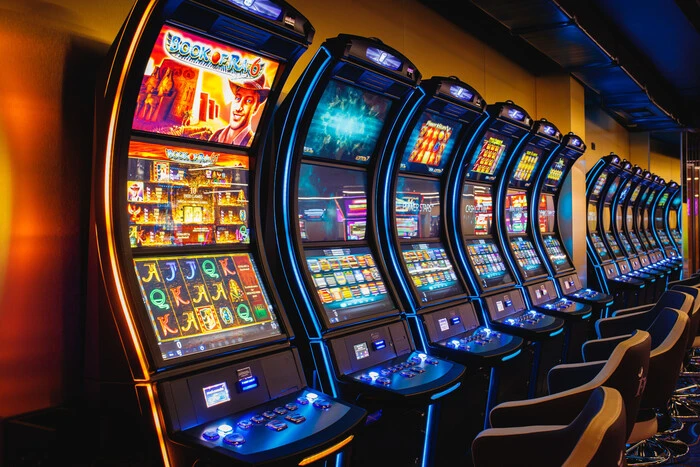
The environment within which casino games are played significantly affects the overall gaming experience. Designers consider atmospheric elements like lighting, decor, and spatial arrangement to create an inviting atmosphere. A well-lit, vibrant environment can enhance excitement and stimulate a desire to play. Conversely, a dimly lit area can create a more intimate setting, appealing to different player preferences. The ambiance sets the psychological tone for players, influencing their mood and ultimately their willingness to engage.

Additionally, the physical layout of gaming areas can lead to increased immersion. Convenience in terms of accessing games, as well as comfort, can enhance the overall experience. Designers often construct layouts that facilitate easy transitions from one game to another, encouraging players to explore different options. This walk-through design maximizes exposure to various games, creating opportunities for player engagement and potential revenue generation for casinos.
Furthermore, environmental cues such as scent can have a psychological impact that many might overlook. Research has shown that pleasant scents can improve mood and increase the time spent in a gaming area. Casinos often utilize this by introducing fragrances that evoke feelings of happiness and relaxation. This subtlety in design underscores how various environmental factors work in harmony to foster a compelling atmosphere that draws players in and keeps them engrossed in the gaming experience.
The Future of Casino Game Design
The future of casino game design looks promising as technology continues to evolve. Innovations such as virtual reality and augmented reality are poised to transform the gaming landscape. These technologies can create immersive environments that enhance the gaming experience significantly. Players can expect to interact with games in ways that feel more real than ever, making the psychological pull even stronger. By leveraging these advancements, designers can craft experiences that are not only engaging but also redefine how players interact with casino games.
Moreover, the integration of data analytics into casino game design is revolutionizing player personalization. Designers can now track player preferences and behaviors to tailor experiences that suit individual players. This data-driven approach allows for the creation of custom experiences that resonate on a deeper psychological level. By understanding what players enjoy, designers can refine their creations to enhance satisfaction and retention, leading to a more profound connection with the player base.
As the industry progresses, there is also an increasing focus on responsible gaming practices. Designers are recognizing the importance of incorporating features that promote healthy gaming habits. This includes providing players with tools to set limits on their playtime and spending. Emphasizing responsible gaming not only creates a safer environment for players but also helps maintain long-term trust and loyalty within the gaming community. As this focus persists, future casino game design will balance entertainment with social responsibility, ensuring sustainability in a dynamic market.